ACI Delegation Visits Morocco: Advancing Codes, Standards, and Strategic Partnerships
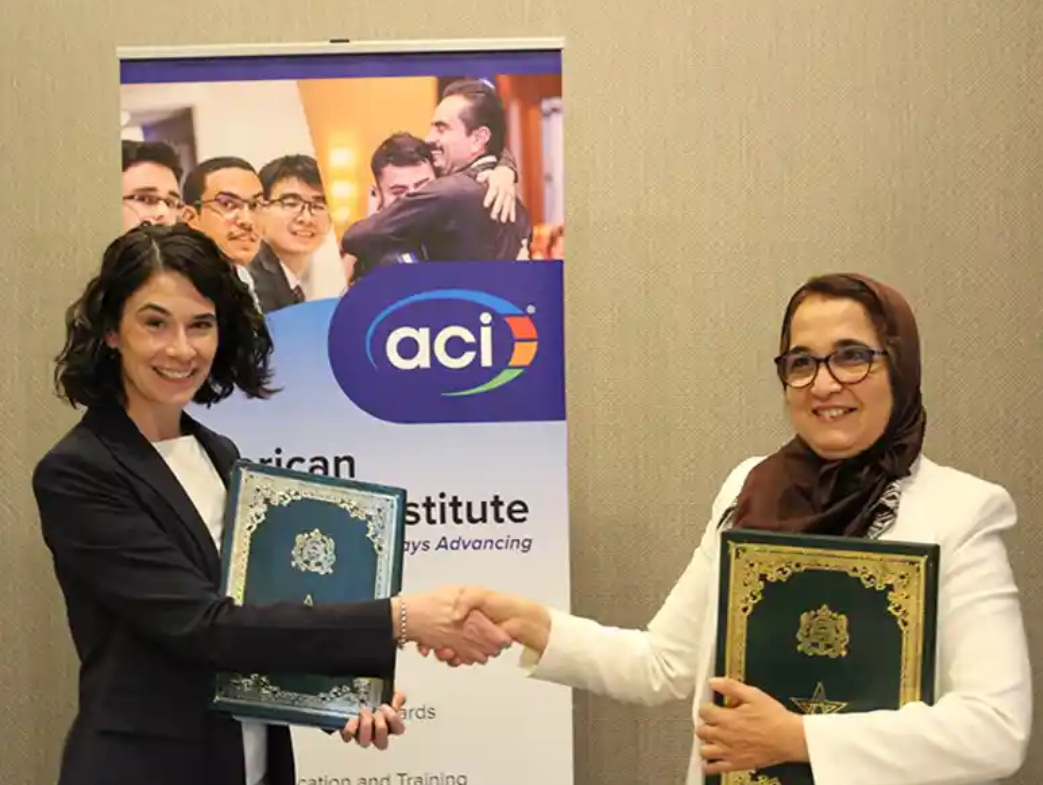
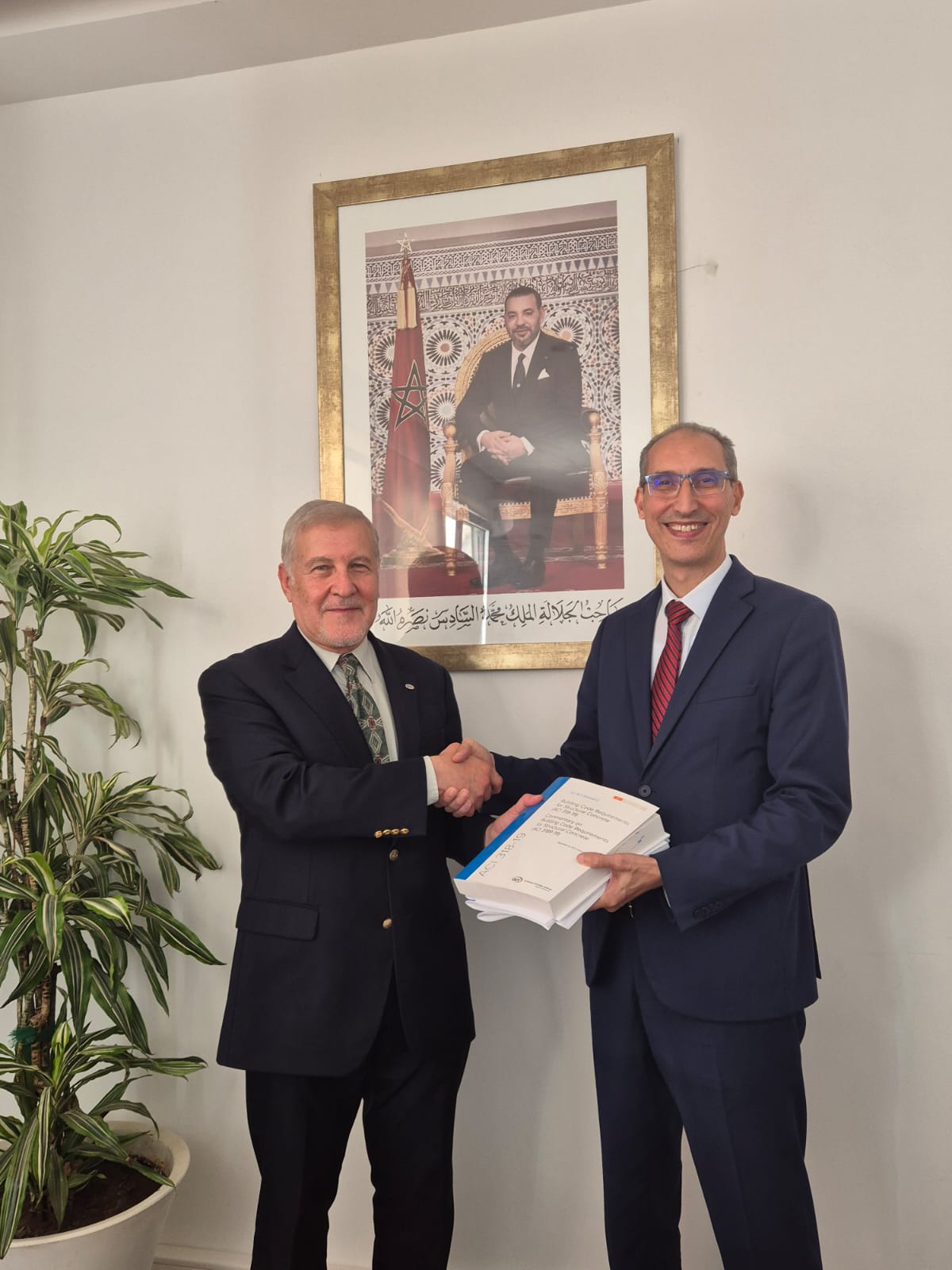
The ACI representatives, Ahmed Mhenna, Director MENA, and Distinguished Engineer Khaled Nahlawi, recently concluded a productive business visit to Morocco. They engaged with four key entities to strengthen and expand ACI’s partnerships with Moroccan government and professional organizations.
At the Ministry of National Territorial Planning, Urban Planning, Housing and City Policy in Rabat, the team discussed ongoing collaboration on codes and standards, including ACI code adoption in various regions and the Chapter’s efforts to translate the 318-19 code into French. Conversations focused on how ACI can support the ministry’s initiatives by providing necessary resources to assist their work.
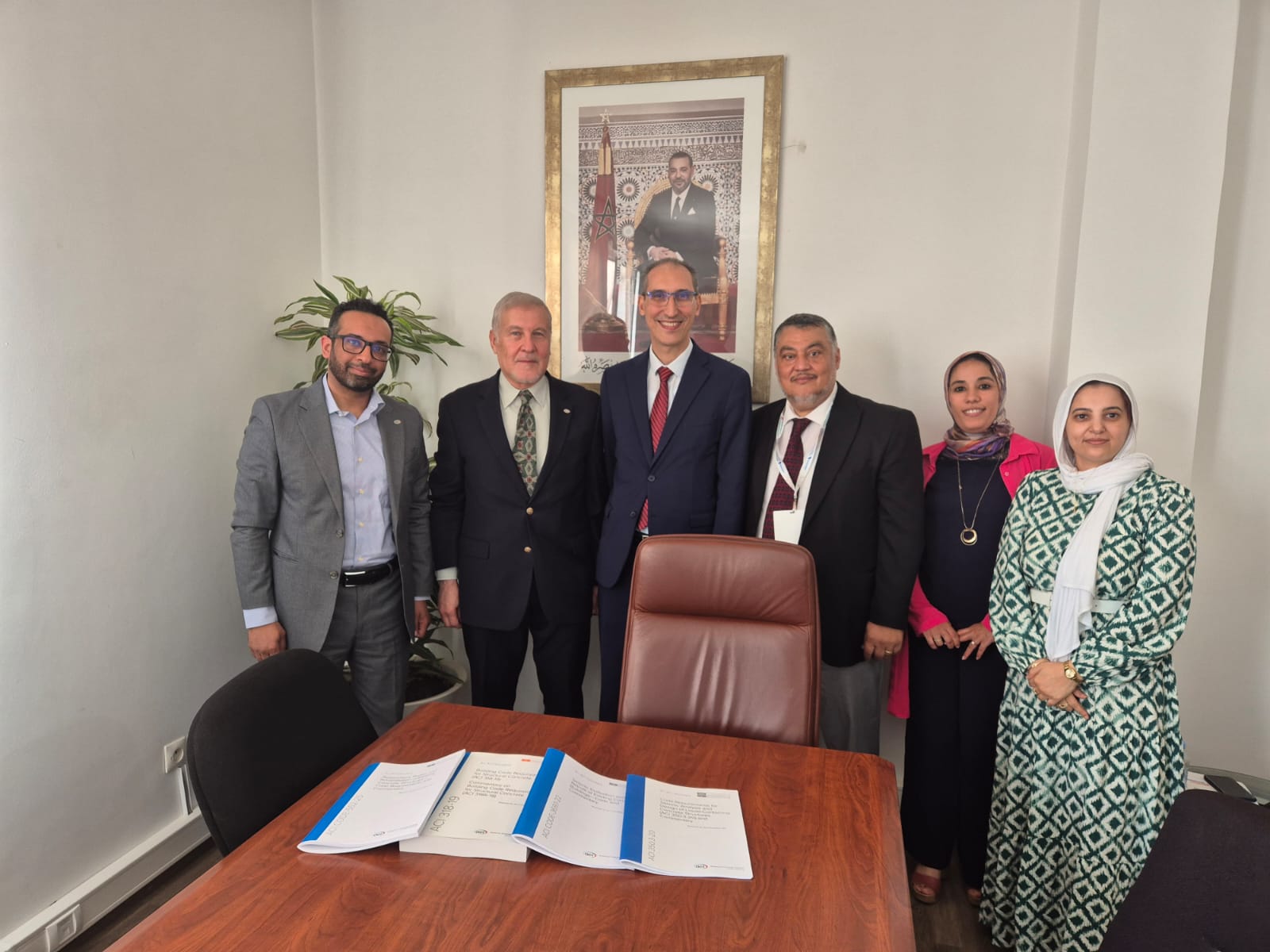 In Casablanca, ACI met with LPEE (Le Laboratoire Public d'Essais et d'Etudes), where strong interest was expressed in leveraging ACI resources for emerging materials in Moroccan construction market such as GFRP, FRP, and steel fiber. Certification and standards emerged as promising areas for future collaboration.
A detailed meeting with the Ministry of Equipment and Water in Rabat centered on advancing cooperation through the signed MOU, ACI code adoption processes, translation, and licensing. The Ministry and ACI agreed to hold a special session on ACI codes and standards for selected Moroccan stakeholders on October 25, 2026, ahead of the GFRP workshop scheduled in Rabat on October 26, 2026, organized in collaboration with NEx, ACI, and the Ministry.
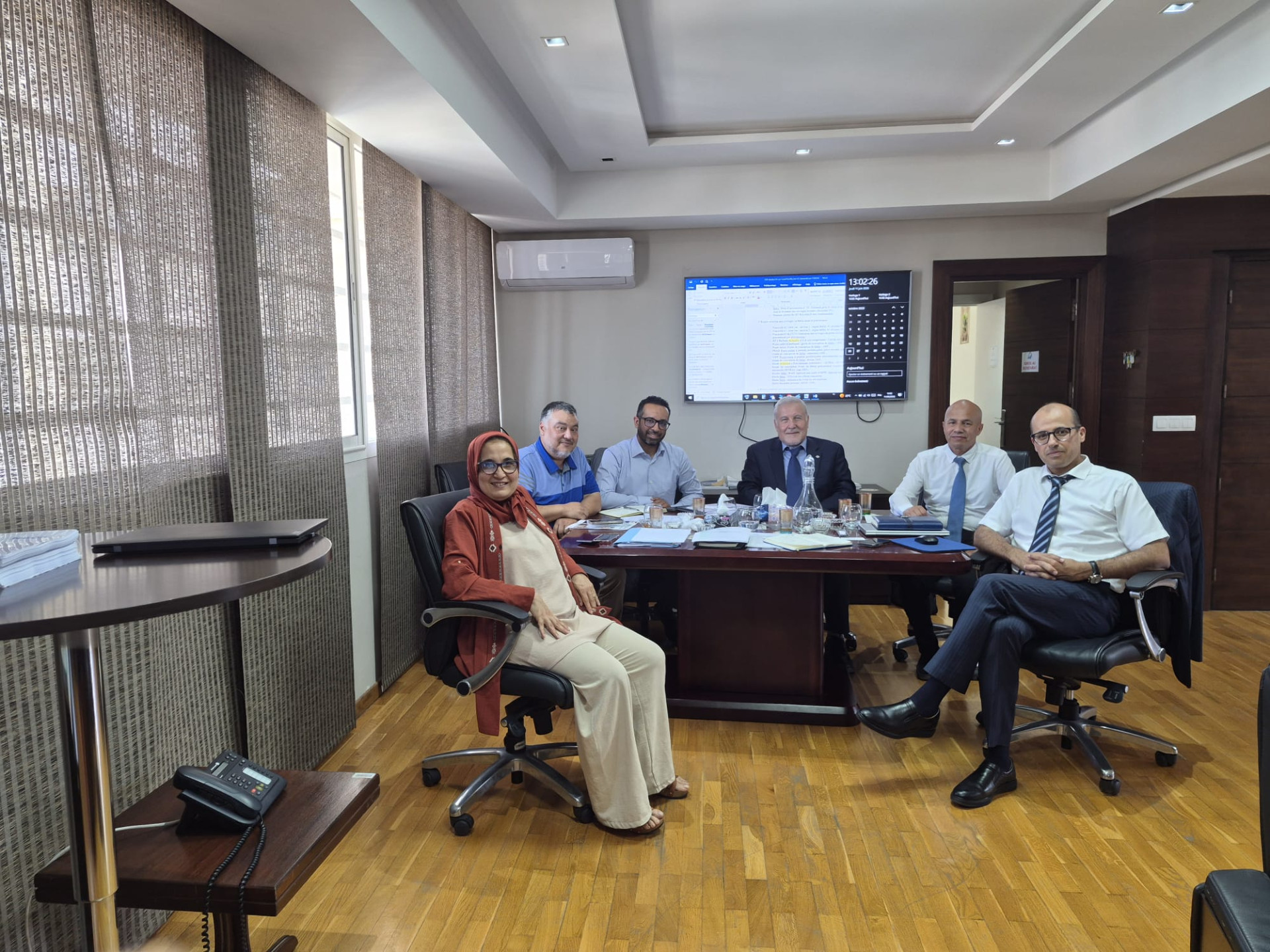
Finally, discussions with AMIB (Moroccan Association of Concrete Industry) in Rabat identified opportunities to increase awareness of the ACI 319 precast code among members and engineers, laying the groundwork for future engagement.
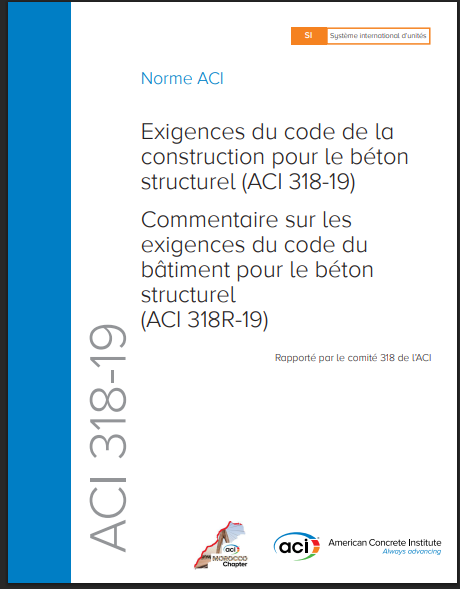
ACI 318-19 Now Available in French
The ACI Morocco Chapter is proud to announce the completion of the French version of ACI 318-19: Building Code Requirements for Structural Concrete and Commentary.
This ready-to-use technical resource will be available through the ACI Online Collection, providing French-speaking engineers, educators, students, and construction professionals with greater access to ACI’s structural concrete design requirements and commentary.
This achievement reflects the dedication of volunteers from universities and industry, Moroccan building officials, and ACI staff and collaborators. We sincerely thank everyone who contributed their time and expertise.
The Chapter looks forward to supporting the use of the French edition through training, student design courses, university engagement, and professional development.
Have a technical question about the French edition? Reach out to the ACI Morocco Chapter. We welcome questions from users and will help connect them with relevant resources and expertise.
We invite you to explore the French edition and share this resource with your colleagues, students, and professional networks.
🎓 Moroccan Students: ACI Foundation Applications Are Open!
Are you studying civil engineering, structural engineering, concrete materials, or another concrete-related field?
The ACI Foundation is offering 50 fellowships and scholarships for the 2027–2028 academic year, along with Student Excellence Awards for the Middle East and North Africa (MENA) region.
The ACI Morocco Chapter encourages Moroccan students to apply for eligible awards and share their academic achievements, research, and commitment to the concrete industry.
📝 Applications require two recommendation letters. We would be happy to support your application and assist with recommendation letters. Reach out to our Chapter early with your academic background, relevant projects, and the award you plan to apply for.
📅 Application deadline: November 1, 2026, at 11:59 p.m. EDT.
🔗 Fellowships & Scholarships:
https://studentapps.secure-platform.com/a
🔗 MENA Student Excellence Awards:
https://menastudentapps.secure-platform.com/a
Eligibility varies by award. Please review the requirements carefully. Fellowships require attendance at an accredited institution in the United States or Canada during the award year.
Start preparing your application today—and share this opportunity with your classmates!